If you run your own business, then you've probably heard of trademarks before, and you may have even contemplated filing one yourself .
After all, trademarks are nothing if not popular — between Q4 2019 and Q2 2022, the number of active trademark registrations swelled from just under 2.5 million to nearly 3 million (Source).
But before we start clearing up what can and cannot be trademarked, let's first define what a trademark actually is.
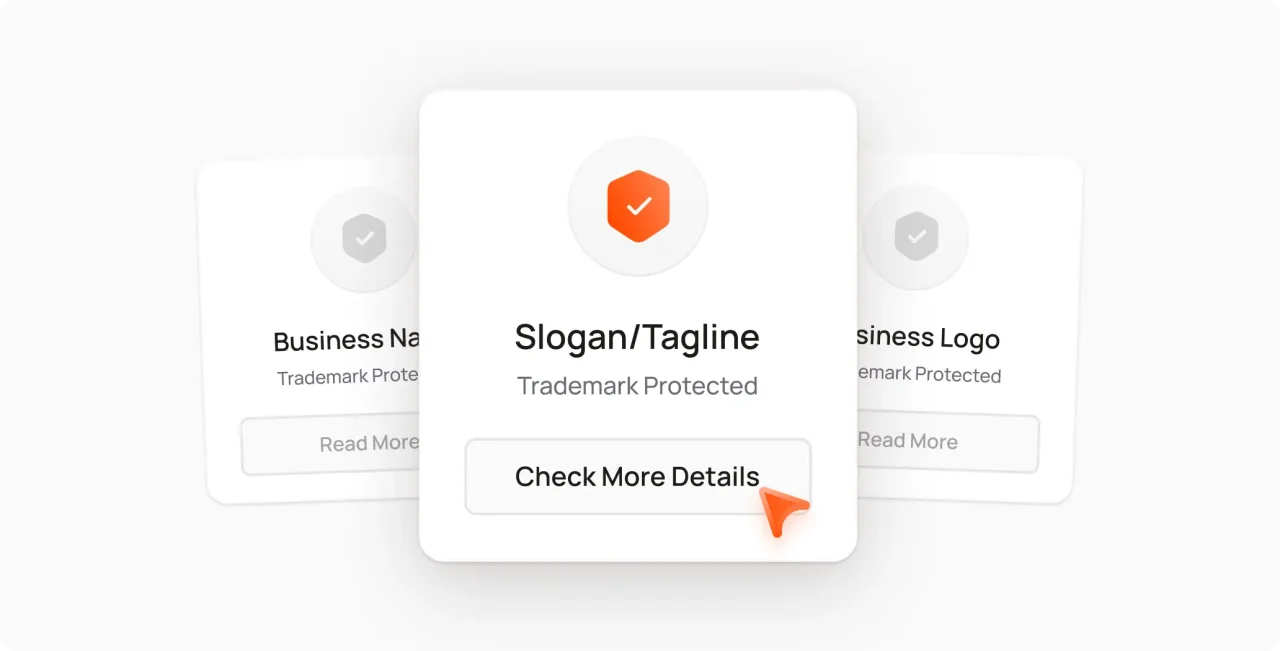
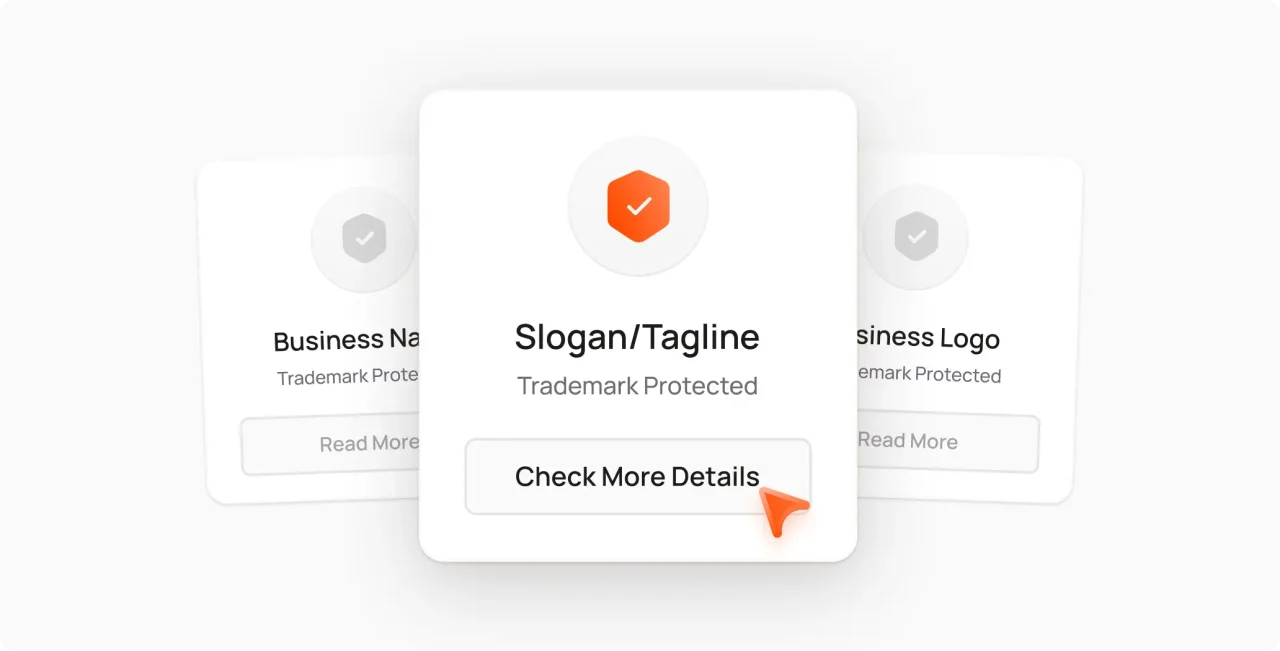
According to the U.S. Patent and Trademark Office (USPTO): A trademark can be any word, phrase, symbol, design, or a combination of these things that identifies your goods or services. It's how customers recognize you in the marketplace and distinguish you from your competitors.
To complicate things slightly, a trademark can refer to both a trademark and a service mark. A service mark is similar to a trademark except that it applies to services instead of goods.
So what's the point of a trademark? As per the USPTO, a trademark can help to:
- Identify the brand behind your products or services
- Provide legal protection for your brand
- Prevent counterfeiting and fraud
Knowing this, it's easy to see why so many trademarks are filed — they can be immensely valuable to businesses looking to protect their brand from copycats and fraudsters.
A trademark can be any word, phrase, symbol, design, or a combination of these things that identifies your goods or services. It's how customers recognize you in the marketplace and distinguish you from your competitors.